Legal AI is consolidating fast, and one pattern should worry any in-house buyer more than the headline price tags. Bigger players are buying up the point tools and folding them in. Redlining apps, Word plugins, and document-automation startups are being bought, folded, or broken up. If you standardized on a best-of-breed feature tool this year, your roadmap now belongs to whoever bought it.
TL;DR
- Clio bought vLex for $1B (closed November 10, 2025), the largest legaltech M&A on record, paired with a $500M Series G at a $5B valuation (LawSites, Nov 2025).
- The tuck-ins came in a wave: Icertis bought Dioptra, Filevine bought Pincites, and Relativity bought Gavel, each a small AI drafting or redlining tool folded into a bigger platform.
- Robin AI fragmented. Its managed-services arm went to Scissero, and Microsoft acqui-hired its engineering team into the Word product group.
- Every target was a feature, not a full workbench. That tells you where the market thinks the durable value sits.
- The real buyer risk is quieter than the price tag. Your point tool gets absorbed, repriced, or quietly deprecated, and your roadmap goes with it.
- Microsoft is racing to make basic drafting and redline native to Word, which reprices every standalone Word-plugin bet.
What was the largest legaltech M&A on record per the post?
The legal AI consolidation wave, deal by deal
Start with the anchor. In June 2025, Clio agreed to buy legal-research firm vLex, and the deal closed November 10, 2025 at $1 billion in cash and stock. LawSites called it the largest M&A transaction in legaltech history, and Clio paired it with a $500 million Series G at a $5 billion valuation led by NEA. CEO Jack Newton framed it as "one plus one equals 10 math," bolting vLex's Vincent AI and its research corpus onto Clio's practice-management base.
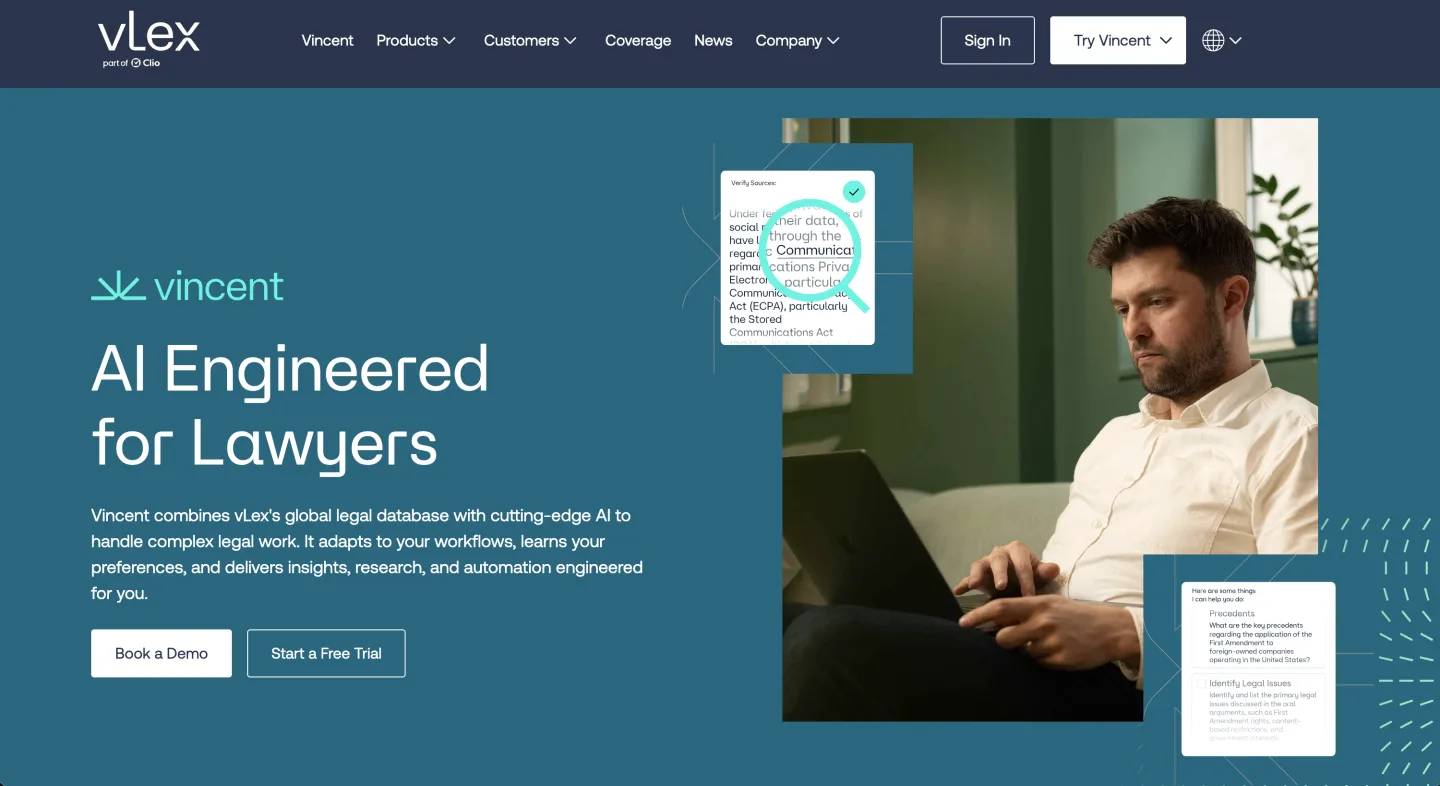
That was the billion-dollar headline. The pattern lives in the tuck-ins that followed.
On November 19, 2025, Icertis acquired Dioptra, a small contract-AI startup, to bolt "surgical redlining" and automated playbook creation onto its Vera AI suite. Terms were undisclosed. Icertis was explicit that Dioptra's pre-signature agents would become a layer inside its existing contract-intelligence platform (Business Wire, Nov 2025).
In December 2025, Filevine acquired Pincites, an AI redlining tool built for Microsoft Word and used by teams at Redis, Glean, and Vercel. Filevine renamed it "LOIS for Word" and pulled the four-person founding team in. LawSites framed it as Filevine's biggest push out of litigation and into corporate legal (LawSites, Dec 2025).
Then in June 2026, Relativity acquired Gavel, an AI-native document-automation platform used across 28 countries and founded by ex-Sidley associate Dorna Moini. The stated goal was to extend RelativityOne into Microsoft Word so drafts sync back to the matter (LawSites, Jun 2026).
Four deals, one shape. A big platform buys a small tool that does one thing well, then makes that thing a feature.
| Buyer | Target | What the target did | Announced |
|---|---|---|---|
| Clio | vLex | Legal research (Vincent AI) | Jun 2025, closed Nov 2025 |
| Icertis | Dioptra | Contract redlining, playbooks | Nov 2025 |
| Filevine | Pincites | AI redlining in Word | Dec 2025 |
| Relativity | Gavel | Document automation, into Word | Jun 2026 |
| Scissero / Microsoft | Robin AI (split) | Contract review, managed services + engineering | Dec 2025 / Jan 2026 |
The one that did not get acquired: Robin AI
The counter-example is the most instructive. Robin AI was a well-known, well-funded contract-review startup. It did not get bought whole. It broke apart.
After failing to close a funding round reported at roughly $50 million, Robin AI split itself for parts. Its managed-services arm went to Scissero, an AI-forward law firm, which pushed Scissero's client roster past 100 companies including Pfizer, GE, and UBS (Global Legal Post, Dec 2025). Separately, Microsoft acqui-hired an 18-person team of Robin AI engineers and product managers, including former CTO Carina Negreanu, straight into the Word product group (Legal IT Insider, Jan 2026).
Read those two moves together. A standalone contract-review company could not raise its next round, and the most valuable piece of it, the engineering talent, went to Microsoft to make contract review better inside Word. That is the whole thesis of this wave in one story.
The in-house take: you are buying a roadmap, not a tool
Here is the part that matters when you are the one signing the invoice.
When your point tool gets acquired, you do not keep the tool you bought. You inherit the acquirer's plan for it. The press release always says the same thing: "continuity for customers," "business as usual," "regular operations maintained." Relativity said exactly that about Gavel. Believe the intent, then watch the incentives.
The acquirer did not pay to run your standalone product forever. It paid to fold that capability into its suite. So the predictable arc is: twelve to eighteen months of "nothing changes," then the standalone SKU gets absorbed into a platform you have to license whole. Your month-to-month deal becomes an annual enterprise contract. The clean single-purpose tool you liked becomes one tab in a product built for someone with a bigger budget. And the integration you depended on, the one into your CLM or your DMS, gets reprioritized behind the acquirer's own stack.
That arc is the risk, not the acquisition itself. A deal is only a problem for you if the tool you depend on sits on the wrong side of it.
None of that is bad faith. It is just what acquisitions are for. But it means the due diligence question is no longer "is this the best redline tool." It is "who is likely to own this tool in two years, and what happens to my price and my data when they do."
The durable bet points the other way. A tool that already owns the full in-house loop, drafting plus review plus compliance plus matter docs, is not a tuck-in target waiting to be repriced. It is the thing the tuck-ins get folded into. When you buy a platform that does the whole job, no single acquisition can strand one of your workflows, because none of your workflows is a bolt-on.
Microsoft is quietly repricing the redline layer
There is a second signal hiding in the deal list, and it is the one almost nobody is pricing in.
Notice how many of these moves point at Microsoft Word. Filevine put Pincites inside Word. Relativity bought Gavel to reach into Word. Microsoft hired Robin AI's engineers into the Word team. And after pulling Robin AI's contract-review engineers into the Word group, Microsoft is clearly building drafting and redline into Word itself.
The implication is blunt. The basic drafting-and-redline layer is being commoditized into Word itself. If Microsoft makes competent first-pass redlining native to the tool your whole team already has open, the standalone Word plugin you pay a premium for is selling something that is on its way to being included. Those tools still earn their keep today. But a multi-year, per-seat bet on a single-feature Word plugin is a bet against the platform that owns the document.
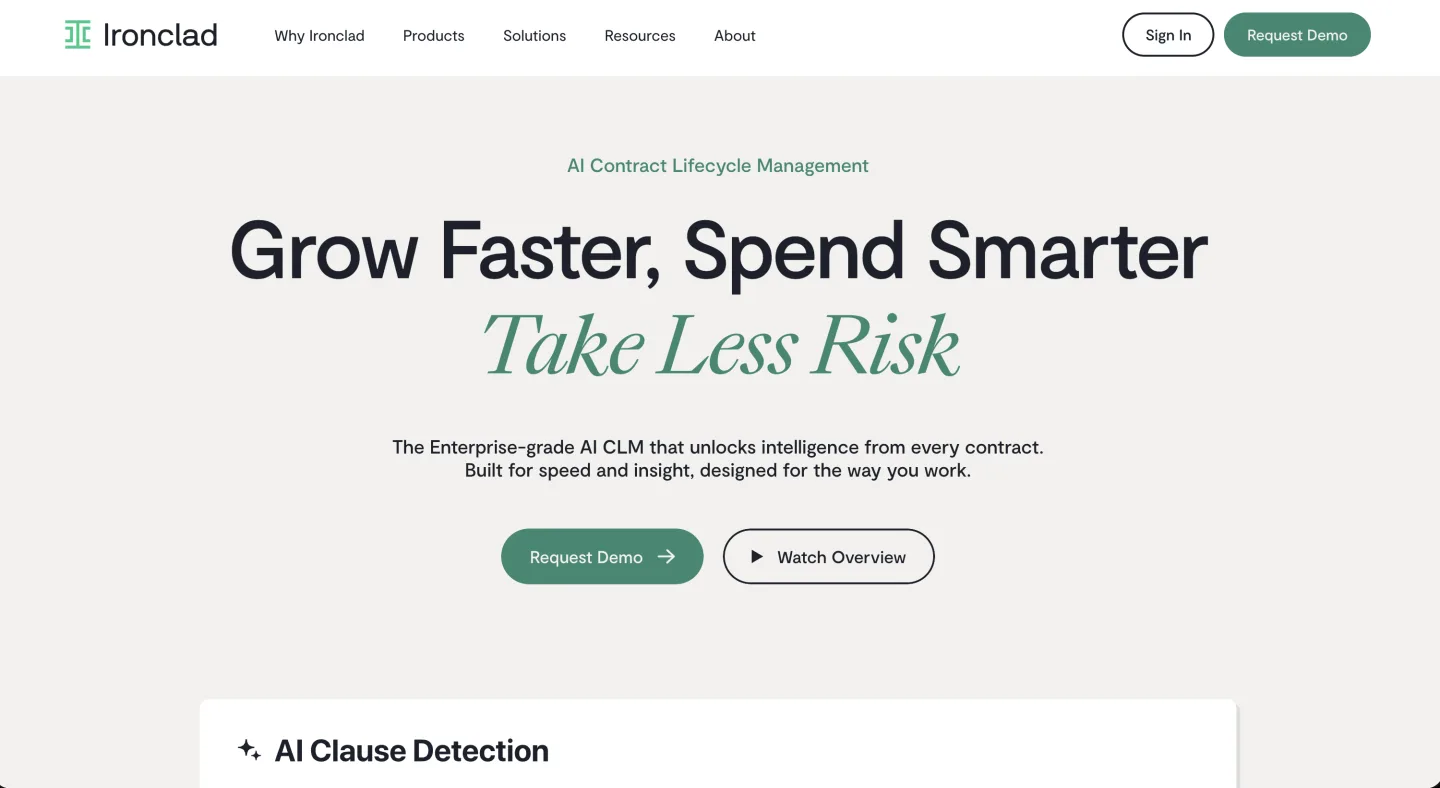
The same logic reaches into contract lifecycle management. The Icertis-Dioptra deal shows CLM incumbents racing to make AI review native to the platform where your contracts already live. If you are weighing point solutions against a full CLM, our breakdown of Ironclad, DocuSign, and ContractWorks walks through where a suite beats a bolt-on.
A due-diligence checklist for a reshuffling category
You cannot predict which vendor gets bought next. You can buy in a way that survives it.
- Favor the workbench over the widget. If a tool does one workflow, ask what happens when a bigger platform decides to own that workflow. If a tool already does the whole in-house loop, that risk mostly disappears.
- Read the term length as a risk signal. Month-to-month means you can walk if the product changes after an acquisition. A three-year enterprise lock means you cannot.
- Ask for a change-of-control clause. Get a price-protection and data-portability commitment that survives a sale. Acquisitions are exactly when these get tested.
- Check what the incumbent is about to make free. If Microsoft or your CLM is racing to build a feature natively, do not sign a long premium contract for that same feature.
- Test the daily loop, not the deal sheet. Run your three hardest real questions through a trial. Valuation and M&A headlines say nothing about whether a tool cites real statutes on a live matter.
For the broader money story behind these deals, see the legal AI funding arms race. For a shortlist framed around in-house needs, start with the best legal AI tools for in-house counsel. And because the Clio-vLex deal was really about research coverage, our Westlaw vs vLex comparison shows what that consolidation actually changes for a research buyer.
Where a lean team should land
The consolidation wave is good news in one narrow sense: it confirms that drafting, redline, and contract review are the workflows worth owning, because that is what everyone is buying. The catch is that buying the winning feature as a standalone tool is now the riskiest way to get it.
The lower-risk move for a two-person legal team is a platform that already bundles the whole loop, priced so you can leave if it changes. Vaquill AI was built on that shape: drafting, redline and bulk contract review, compliance across all 50 states' primary law, and a four-layer verification pass, self-serve, one seat, month to month. No point tool inside it is a candidate to be acquired out from under you, because none of it is a bolt-on.
Want to pressure-test that against your own daily loop? Start a Vaquill AI trial and run your three hardest real questions through it before you renew anything.
FAQ
What is the legal AI consolidation wave? It is the run of 2025 and 2026 deals in which large legal-tech platforms bought smaller AI tools. Clio bought vLex for $1B, and Icertis, Filevine, and Relativity each acquired a small AI drafting or redlining startup and folded it into their platforms.
What was the biggest legal AI acquisition? Clio's $1 billion purchase of legal-research firm vLex, which closed November 10, 2025, is the largest M&A deal in legaltech history to date. Clio raised a $500 million Series G at a $5 billion valuation alongside it.
What happened to Robin AI? Robin AI could not close a funding round reported at around $50 million and split itself for parts in late 2025 and early 2026. Its managed-services arm went to Scissero, and Microsoft hired its engineering team into the Word product group.
Should in-house counsel worry when a legal AI tool gets acquired? Yes, but the concern is specific. The acquirer typically folds the tool into its larger suite over 12 to 18 months, which can change your price, your contract term, and the integrations you rely on. Diligence the change-of-control terms before you standardize.
Why are so many of these deals about Microsoft Word? Several buyers acquired Word plugins or Word-focused teams, and Microsoft itself is building legal drafting and review into Word. The basic redline-and-draft layer is being pushed into the document tool most legal teams already use.
Is it safer to buy a legal AI platform or a point tool? In a consolidating market, a full platform that owns the whole workflow is harder to strand than a single-feature tool. A point tool can be acquired and repriced. A tool that already does drafting, review, and compliance together is what the point tools get absorbed into.
How should a lean legal team buy legal AI right now? Favor month-to-month terms, a tool that covers the full daily loop, and clear pricing you can read on the site. Ask what happens to your price and data if the vendor is acquired, and test the product on your own hardest questions before committing.
This post is general information, not legal advice.
New legal AI guides, weekly.
Further Reading
The AI Value Gap: In-House Counsel Want AI Results Their Outside Counsel Are Not Delivering
Read postMost In-House Legal Work Is Not Legal Risk (and AI Is Proving It)
Read postHow Much In-House Legal Work Will AI Agents Actually Take?
Read postIn-House Legal AI Adoption Hit 87 Percent: What the Leaders Do Differently
Read postClaude Fable 5 and Legal AI: What Its Benchmark Records Actually Mean
Read postClaude for Legal: What In-House Teams Need to Know
Read post
Co-Founder & CEO · Attorney
Arshita leads product and strategy at Vaquill AI, the US primary law data API. As an attorney, she decides which law we carry, how each section is sourced and cited, and what legal AI and compliance teams need from the data.